Navigating Early Pregnancy: What to Expect in the First Few Weeks
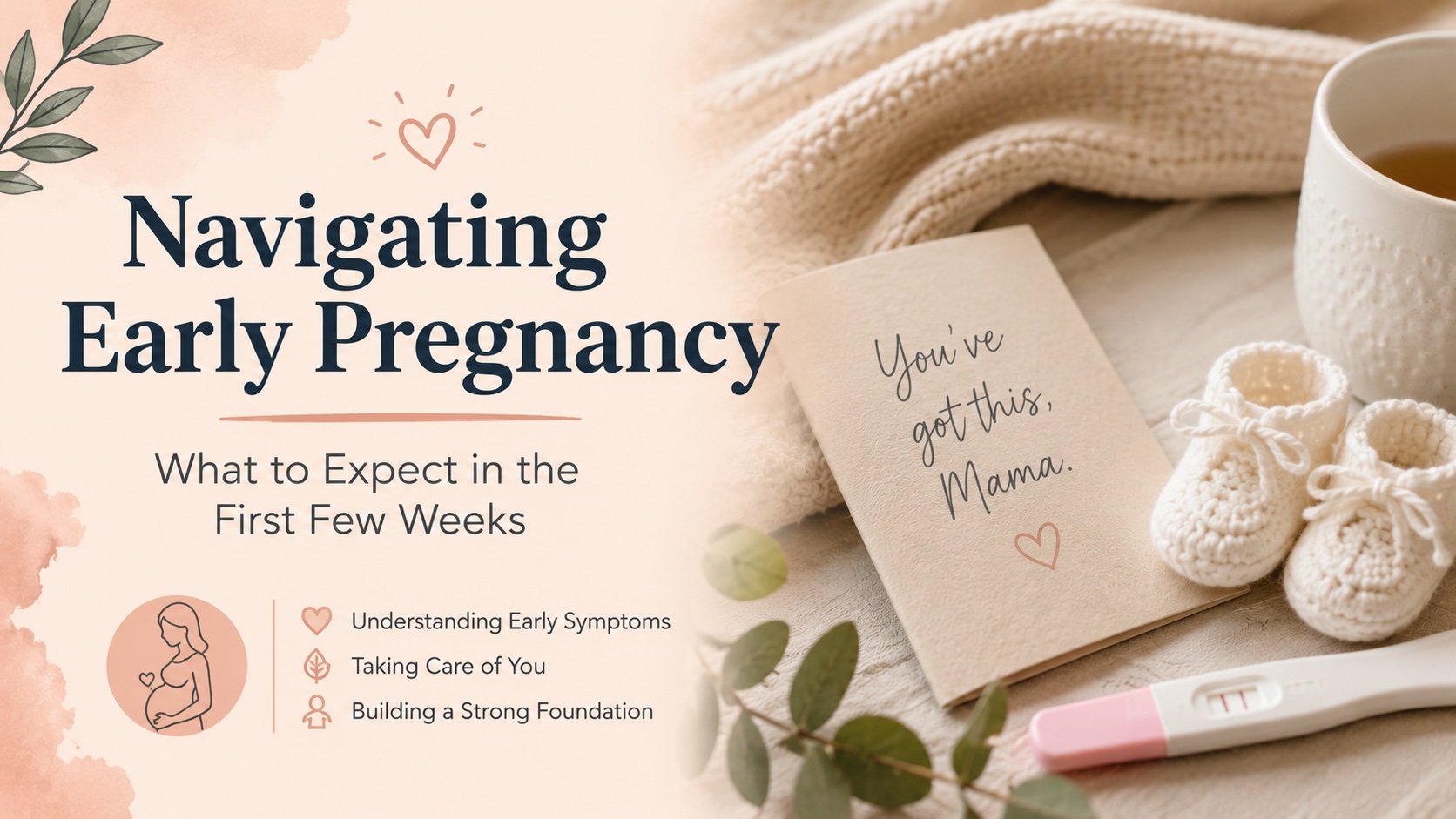
A gentle guide to the first few weeks of pregnancy, including common symptoms, emotional changes, and simple ways to feel more supported.
The first few weeks of pregnancy can feel like stepping into a new chapter before you have even had time to read the title. For some, it is joyful and long-awaited. For others, it may feel surprising, overwhelming, or emotionally complicated. Often, it is all of those things at once.
Early pregnancy is a season of change. Your body may begin shifting before the outside world can see anything at all. Fatigue, nausea, breast tenderness, food aversions, mood changes, and a heightened sense of smell are all common experiences. Some days may feel completely normal. Other days, the smallest task can feel like climbing a hill with a backpack full of bricks.
One of the most helpful things you can do during early pregnancy is schedule care with a trusted medical provider. Early prenatal care gives you a place to ask questions, discuss symptoms, review medications or supplements, and understand what comes next. It also helps create a foundation of support for both you and your baby as the pregnancy progresses.
It is also important to listen to your body. Rest when you can. Eat what feels manageable. Stay hydrated. If your usual routines feel harder than normal, that does not mean you are doing anything wrong. Your body is working quietly and constantly, even when you are sitting still.
Emotionally, early pregnancy can be tender ground. You may feel excited one moment and anxious the next. You may find yourself thinking ahead to appointments, family conversations, finances, work, or how life may change. These thoughts are normal. Pregnancy is not just a physical experience. It is also emotional, relational, and deeply personal.
Support can make a meaningful difference. That support may come from a partner, friend, family member, healthcare provider, doula, counselor, or community group. You do not need to carry every question alone. Sometimes the most comforting words are simple ones: “I am here. We will take this one step at a time.”
While many early pregnancy symptoms are common, it is always worth reaching out to a healthcare provider if something feels concerning. Heavy bleeding, severe pain, fainting, fever, or symptoms that feel unusual for you should be discussed promptly.
Early pregnancy is not about having everything figured out. It is about beginning. One appointment, one question, one small act of care at a time. This stage may feel quiet from the outside, but inside, something extraordinary is unfolding.